Water Treatment Timing and Maintenance
Water treatments are essential processes designed to improve water quality for various applications, including residential, commercial, and industrial uses. Effective treatment can remove contaminants, reduce mineral buildup, and ensure water safety and clarity. Timing of water treatments can significantly impact their effectiveness and longevity.
Water treatments are most effective when performed before seasonal changes, such as spring or fall, to prevent mineral buildup and system strain.
Spring and fall are ideal times for water treatments to prepare for increased usage or to address seasonal water quality variations.
Regular assessments help determine the best timing for treatments, typically every 6 to 12 months depending on water quality.
Periods of low usage or after heavy rainfall can influence the timing for effective water treatment interventions.
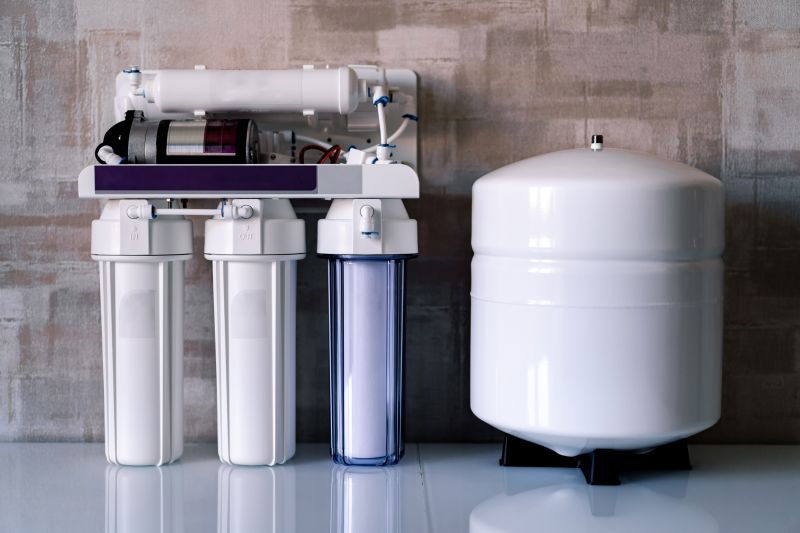
Filtration systems and softeners installed at optimal times enhance water quality.
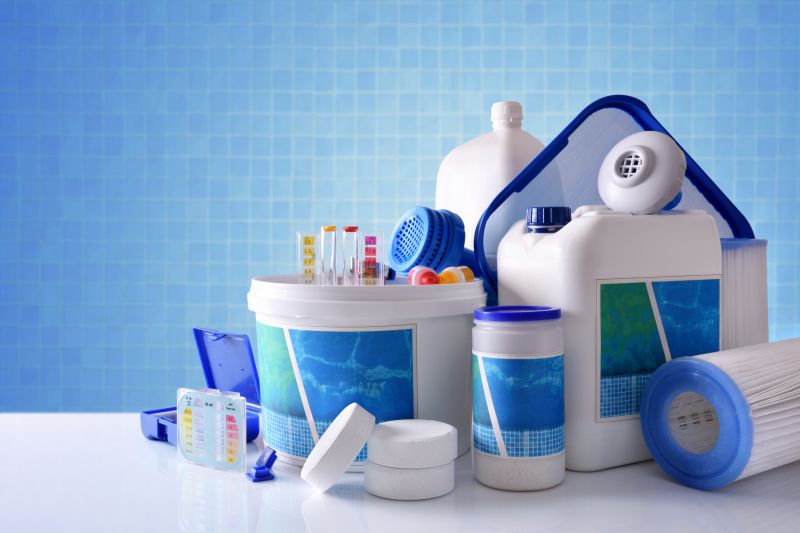
Regular testing helps identify the best time for treatments based on water composition.
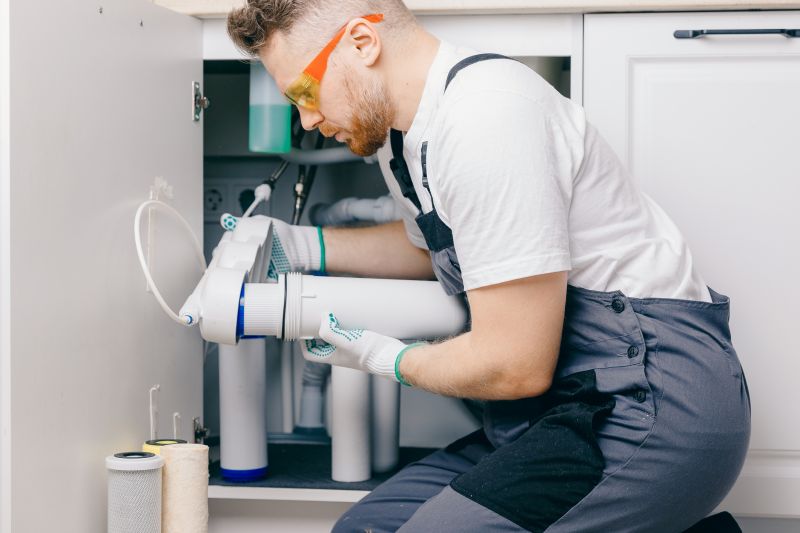
Proper timing ensures effective removal of contaminants and minerals.
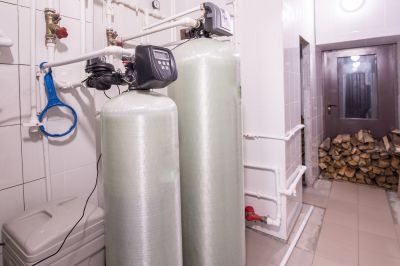
Ways to make Water Treatments work in tight or awkward layouts.
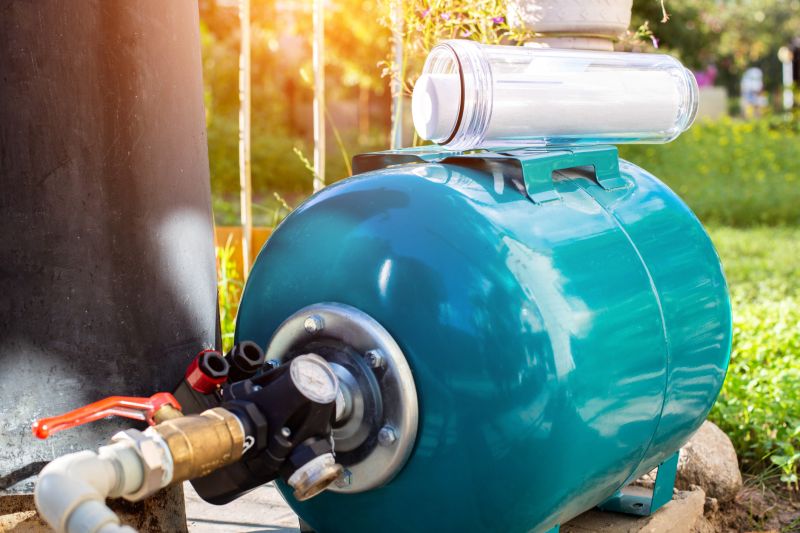
Popular materials for Water Treatments and why they hold up over time.
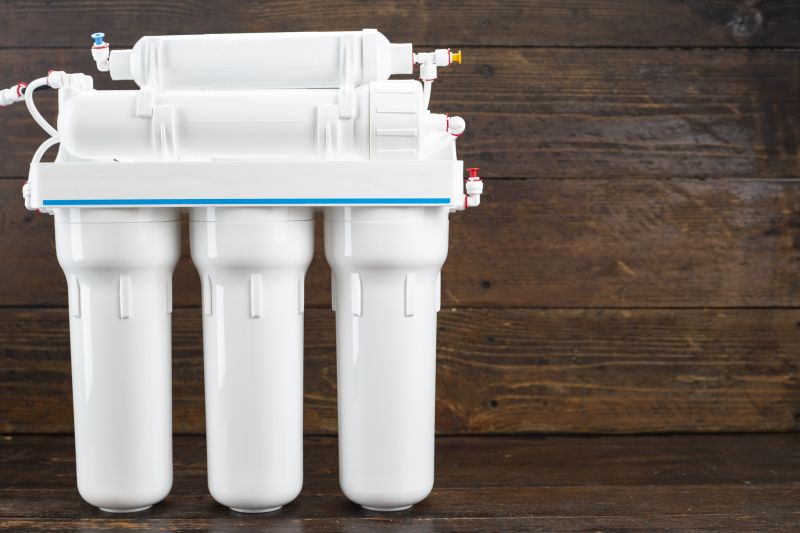
Simple add-ons that improve Water Treatments without blowing the budget.
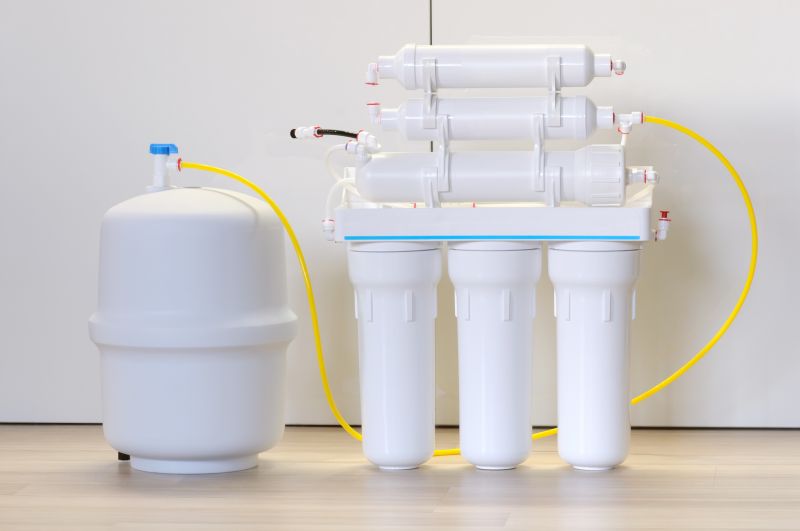
High-end options that actually feel worth it for Water Treatments.
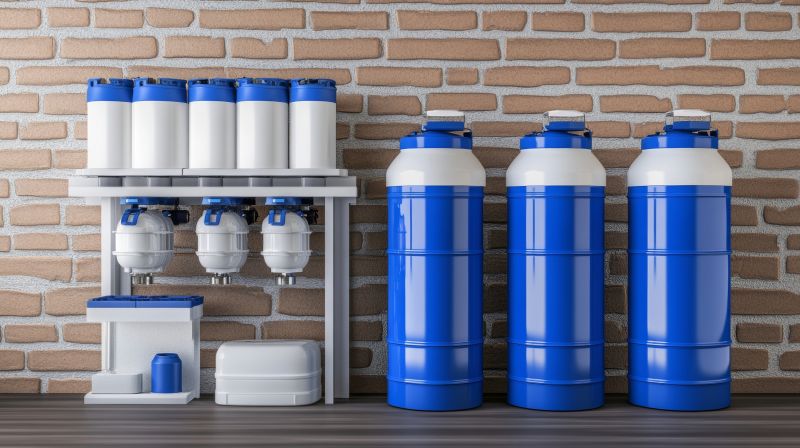
Finishes and colors that play nicely with Water Treatments.
| Season | Recommended Treatment Period |
|---|---|
| Spring | Before peak usage and plant growth |
| Fall | Pre-winter treatment to prevent freezing damage |
| Summer | During low usage periods for maintenance |
| Winter | After heavy rainfall or water source changes |
| Post-Construction | Immediately after installation or repairs |
Water treatments involve various methods such as filtration, chemical addition, and mineral removal to enhance water quality. Proper timing ensures these processes are most effective, reducing issues like scaling, corrosion, and microbial growth. Statistics indicate that regular water treatment can extend the lifespan of plumbing and appliances by up to 50 percent, while also improving water clarity and taste.
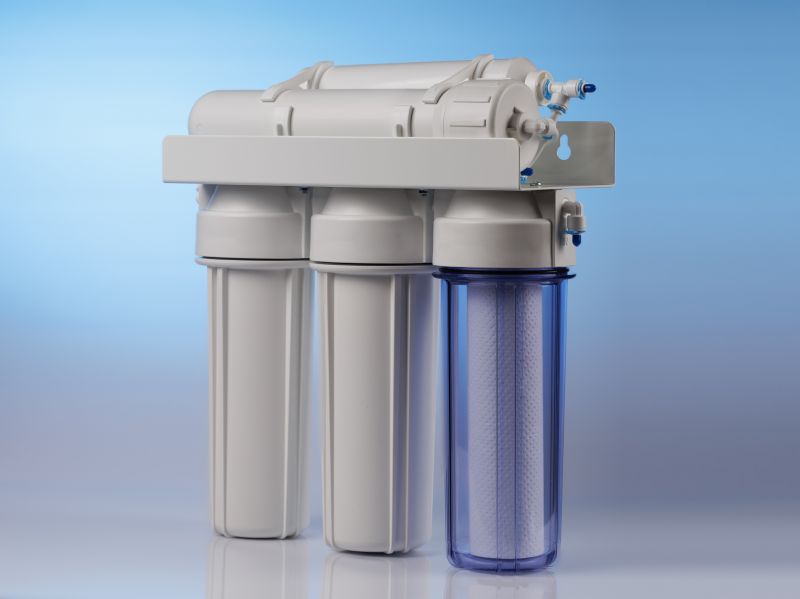
Installed for ongoing water quality improvement.
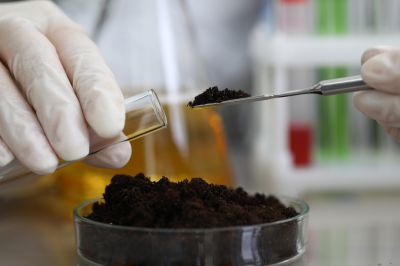
Analyzes water samples to determine treatment needs.
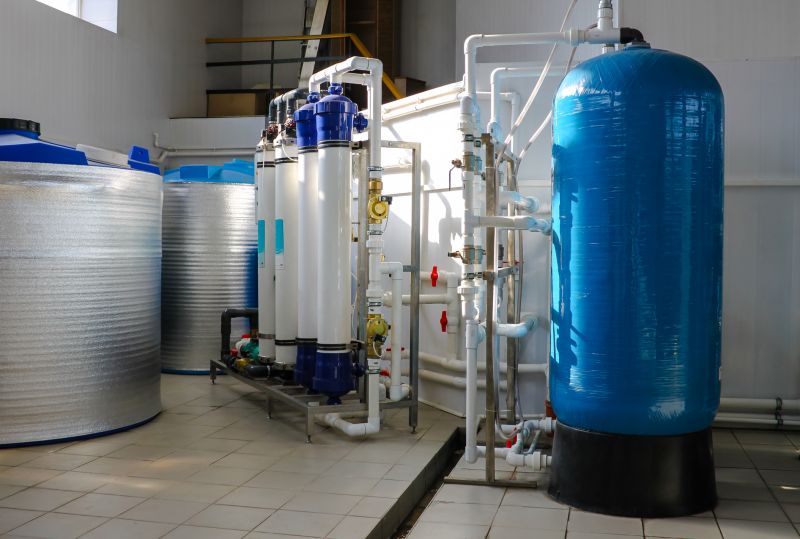
Used to adjust pH and remove specific contaminants.
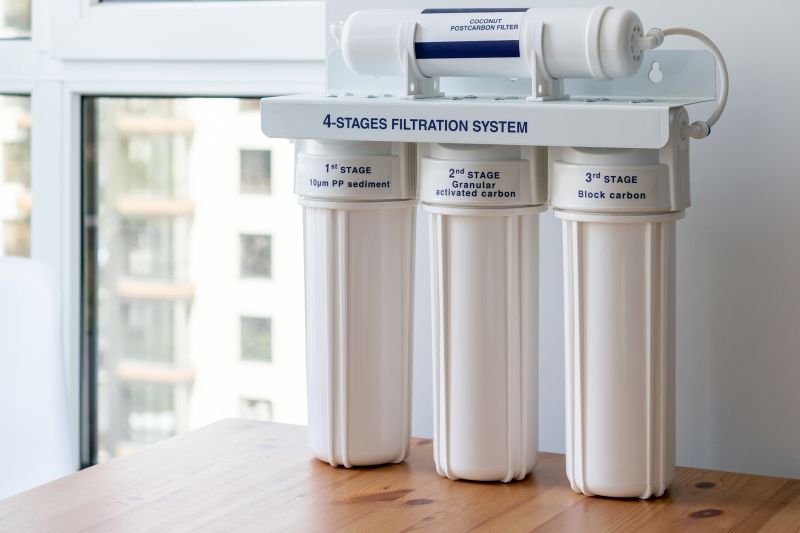
Reduces hardness and scale formation.

Little measurements that prevent headaches on Water Treatments day.

A 60-second routine that keeps Water Treatments looking new.

A frequent mistake in Water Treatments and how to dodge it.

Small tweaks to make Water Treatments safer and easier to use.
Understanding the optimal timing for water treatments can prevent costly repairs and ensure consistent water quality. Scheduling treatments during periods of low demand or before seasonal changes can maximize their benefits and minimize disruptions.
For tailored advice and scheduling, contact professionals experienced in water treatment solutions.